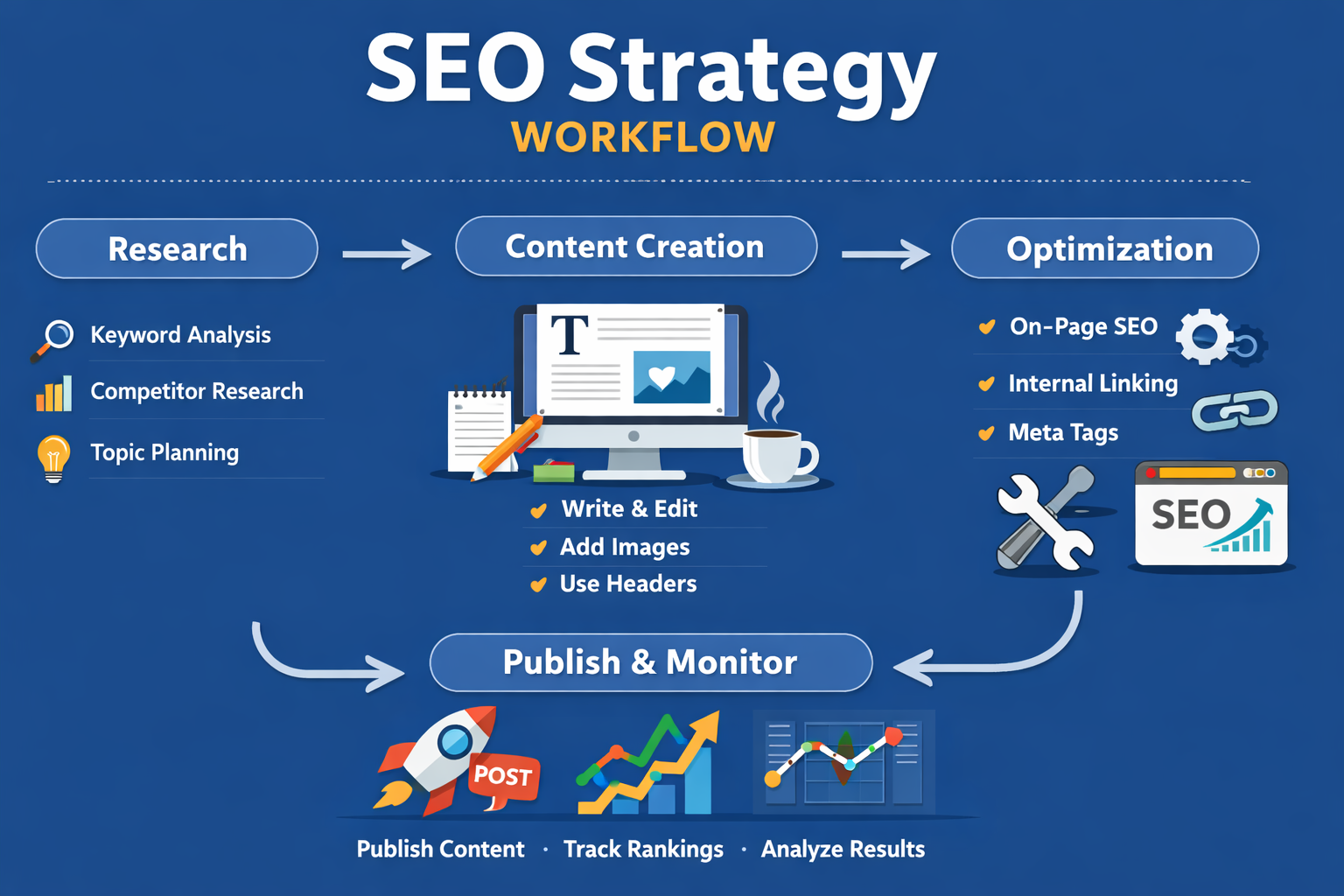
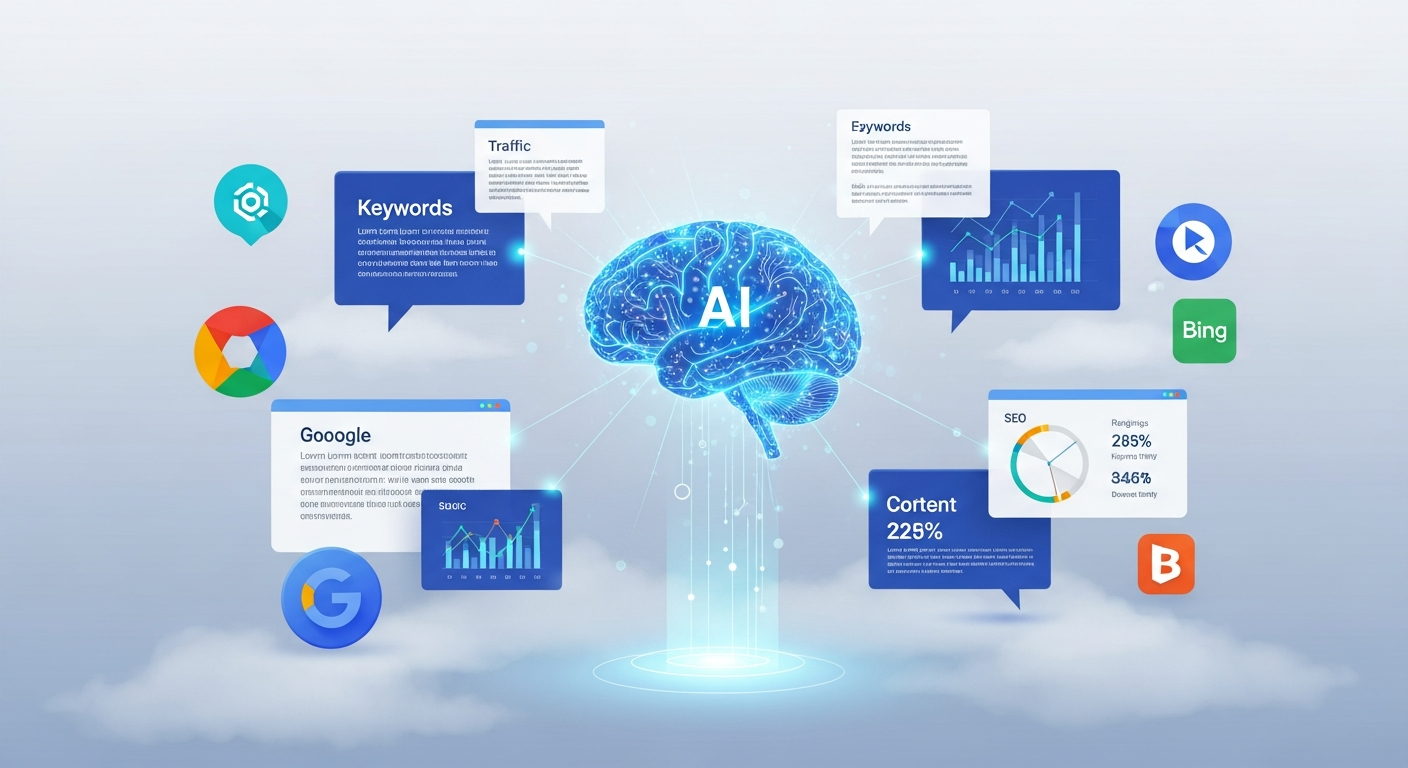
The 2026 SEO environment has changed and no longer relies on the conventional approaches with AI generated content leading the way in online marketing. Companies are using AI applications to produce vast amounts of content within a short period of time and keep the content quality and relevance. Semantic SEO augments this by making sure that the content meets the search intent and meets the needs of the users so that the websites become more visible to search engines and are more interesting to the readers. AI material mixed with semantic search has become one of the most important conditions that marketers need to achieve long-term growth.
Making sense of AI-Generated Content.
Currently, AI-generated content relies on highly sophisticated natural language processing models to generate text that is readable (natural) and search engine optimized. Such tools search through user queries, extract the relevant semantic keywords, and organise the content both to human and algorithmic advantage. The content creators are now in position to scale production, consistency in tone, and style and automatically update outdated information. AI will also enable marketers to concentrate on the strategy instead of devoting too much time to writing repetitive messages.
Why Semantic SEO Matters
Semantic SEO is more oriented on meaning, context, and purpose instead of only matching the keywords. The search engines have become more focused on the content with the ability to answer all the questions and give value to the user. Websites can enhance engagement and dwell time and rank higher by generating contextually relevant articles that discuss topics thoroughly. Semantic SEO also supports rich snippets, topic clusters and structured data application that improves the visibility of searches and delivers tangible performance advantages.
Bullet Point Strategy to 2026 SEO Success.
Key AI & Semantic SEO Tactics:
- Topic Clustering: Group together content into themes around primary subjects to show power and enhance interlinking scheme.
- Entity Optimization: Concentrate on entities and their relationships in content as opposed to the use of keywords.
- Structured Data: Add schema markup to articles, frequently asked questions and reviews in order to provide search engines with context on the content.
- Internal Linking: Related content improves semantic relevance and user navigation, and thus, should be linked together.
- Content Audits: Conduct AI-based audits to fill in the gaps on a regular basis, optimize the current content, and propose new topics.
AI Content Creation Tools
The AI systems currently in use have made it easier to generate content, yet it is semantically relevant. They are able to propose topics, create drafts and automatically optimize text to readability and search purpose. Marketers can use AI to save time, minimize mistakes, and ensure uniformity in high amounts of content. The tools also trace the performance measures, which give them a clue to modify the strategies and enhance the engagement constantly. By 2026, AI-assisted content creation is already mandatory to compete in SEO.
Customization and User Interface.
Personalized content has now become a vital aspect of retaining the user. AI obtains user behavior, types of devices, location, and interests and provides personalized content that appeals to personal preferences. This causes longer dwell times, a higher rate of engagement, and loyalty. Semantic SEO makes sure that the customized content at the same time meets the expectation of the search engines, and a balance is achieved between whether the user is satisfied and whether it is optimized to be visible.
Trend Prediction
AI identifies trending topics in advance before they trend and marketers can generate content at the appropriate time to match the trend. Analyzing search patterns and upcoming queries, as well as competitor strategies, AI assists business to be on the cutting edge. Creation of content using predictive information will make sure that the websites have traffic and remain authoritative in the niche.
The third hypothesis, Persona-Based Optimization, is as follows:
Using AI, marketers can tailor the content to the audience persona, changing the tone, style, and message to achieve maximum engagement. Knowing the peculiarities of the needs of every segment, the businesses will be able to boost click-through rates, create a loyal user base, and enhance the conversion rates. The creation of persona-based optimization makes the content rich and appealing to the target audience.
Dynamic Content Updates
The performance of the content is dynamic and AI can be used to track such changes in real-time. Information that is outdated can be automatically synchronized and semantic alignment can be preserved automatically. Dynamic movements also make sure that the articles are relevant, accurate and competitive in search engines positions in the long run.
Optimizing for Voice Search
Voice search is gaining popularity with the support of intelligent devices and AI assistants. Semantic SEO makes sure that content is aligned to the conversational search and patterns of natural language. Voice search is not just a means of better ranking but also provides more interaction with mobile and voice-activated devices to generate more qualified traffic.
Structure Data and Fancy Snippets.
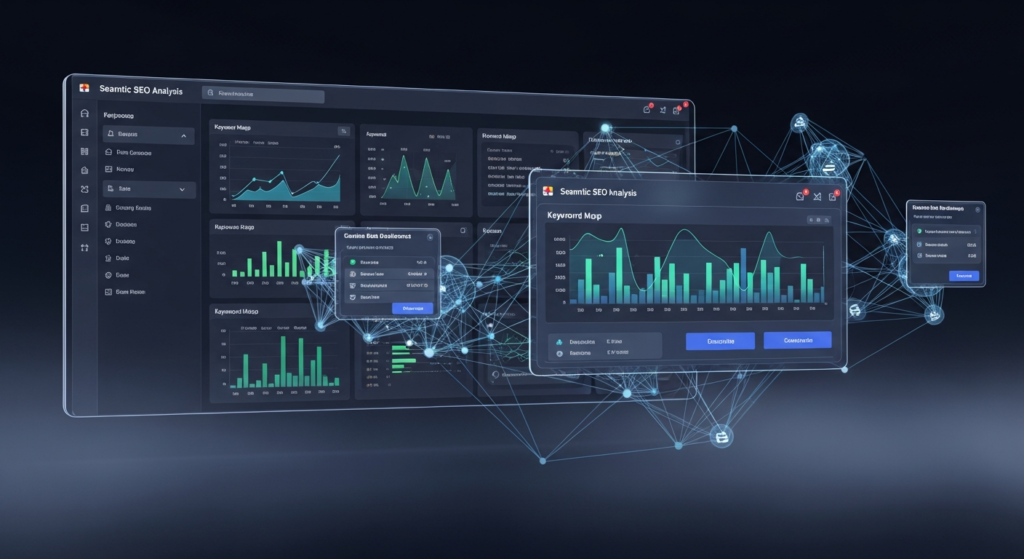
The organized data assists the search engines to locate the content context and relations. Rich snippets can be articles, reviews, and frequently asked questions with the correct schema markup which will help to improve the click through rate and more people who have the qualifications to be there will come. AI content along with semantic SEO guarantees the creation of rich snippets automatically and their constant update depending on the user requests and search rates.
Future AI SEO Trends
The need to predict and hyper-personalize, as well as integrated multimedia content, are all trends in the future. The AI-based SEO will assist marketers in predicting the needs of the audience and generate highly relevant content on a massive scale. Those companies that embrace such strategies will be in a better position to stay visible in the line of competition and keep on improving user experience.
Best Practices for 2026
It should be quality content, updated regularly, and optimized semantically. Performance is enhanced by using AI to analyze the content gaps in order to improve the structure and semantic relevance. Focusing on the user experience will make sure that the content is user-satisfying enough to please the search engines as well as visitors to the site, leading to long-term engagement and success in the terms of ranking and subsequent growth.
Conclusion
Not only is AI-generated content and semantic SEO no longer optional in digital marketing, but it is a requirement to achieve success in 2026. The integration of AI tools and semantic strategies will guarantee that the content is relevant to the users, as well as it should be optimized to be found by the search engines. With the best practices, AI-driven use, and assurance of quality, marketers will be able to succeed in gaining more engagement, improved ranking, and sustainable competitive advantage. Companies that embrace these strategies in the current market will be in a good position to take over search results and create a quantifiable ROI in the future.
FAQs
Q1: Does AI have the potential to oust human writers entirely?
A1: No, it is not automated and quality, creativity and context are controlled by human beings.
Q2: What is semantic SEO?
A2: Semantic SEO aims at maximizing content in terms of meaning and user intent.
Q 3: Can AI-generated articles be safe at Google?
A3: Yes, provided they are original, of high quality and semantically optimized.
Q4: How does AI improve SEO?
A4: AI detects the content gaps, suggests the modifications, and offers semantic relevance.
Q5: Will voice search diversify SEO strategies?
A5: Yes, to be ranked well, contents need to be content that responds conversational queries.