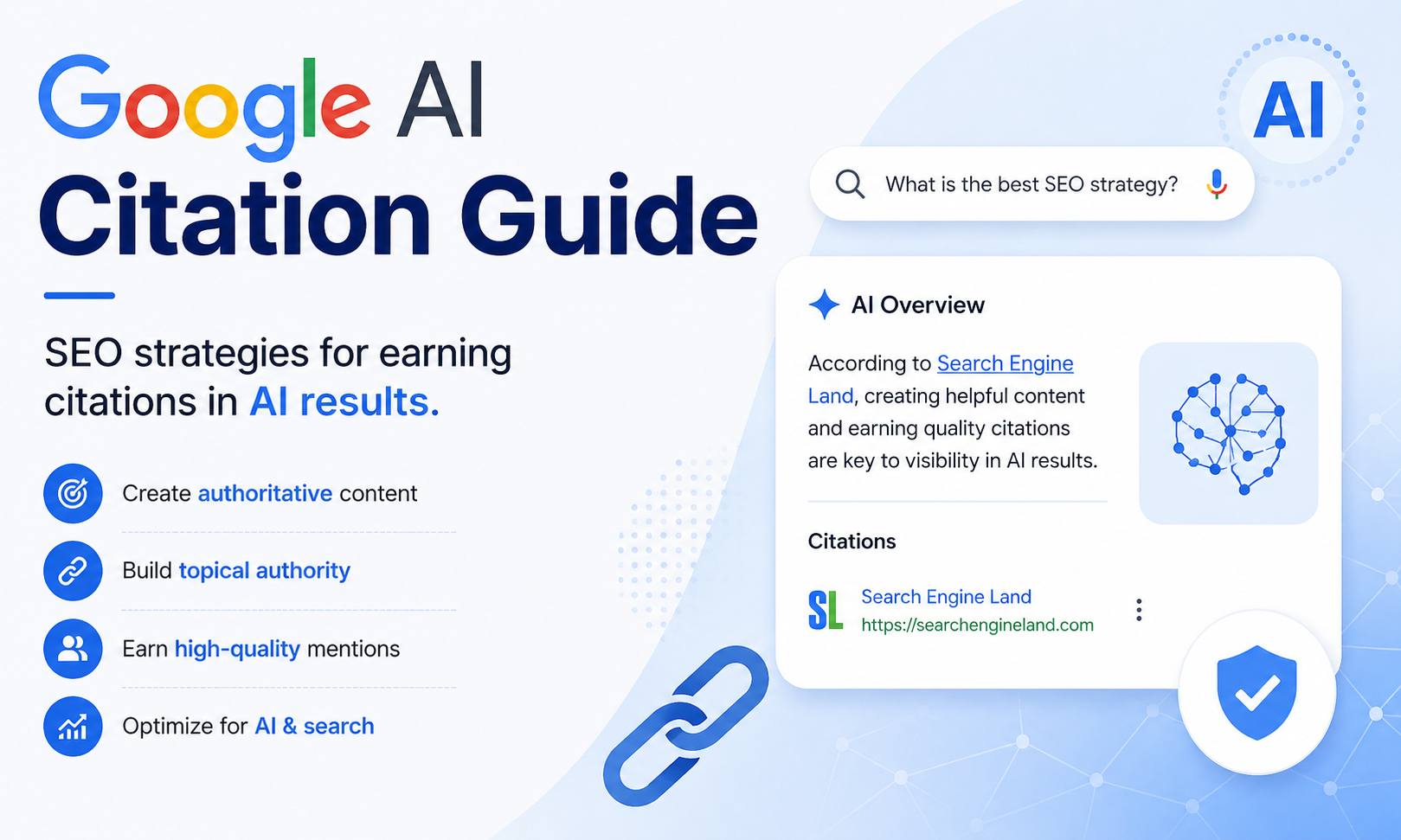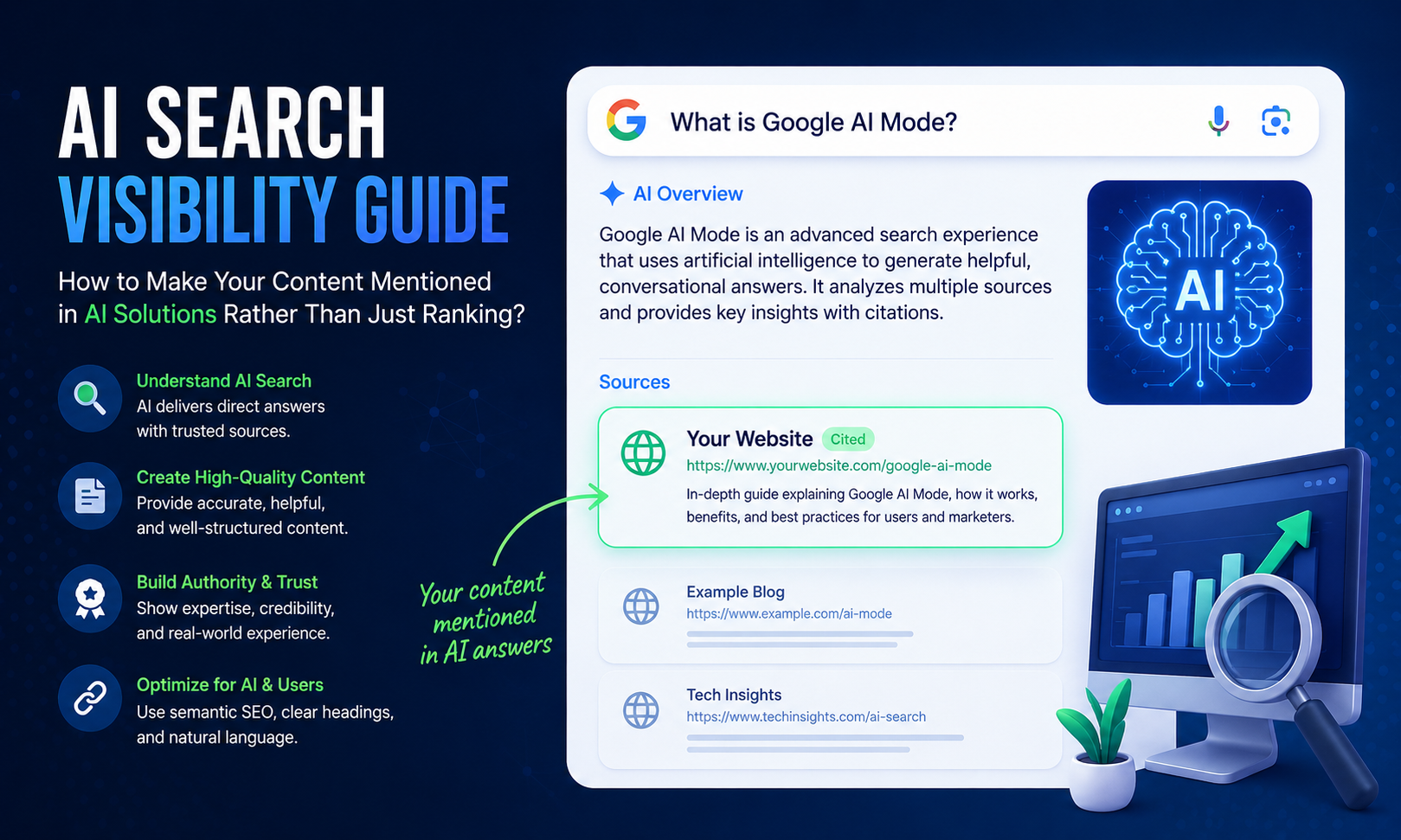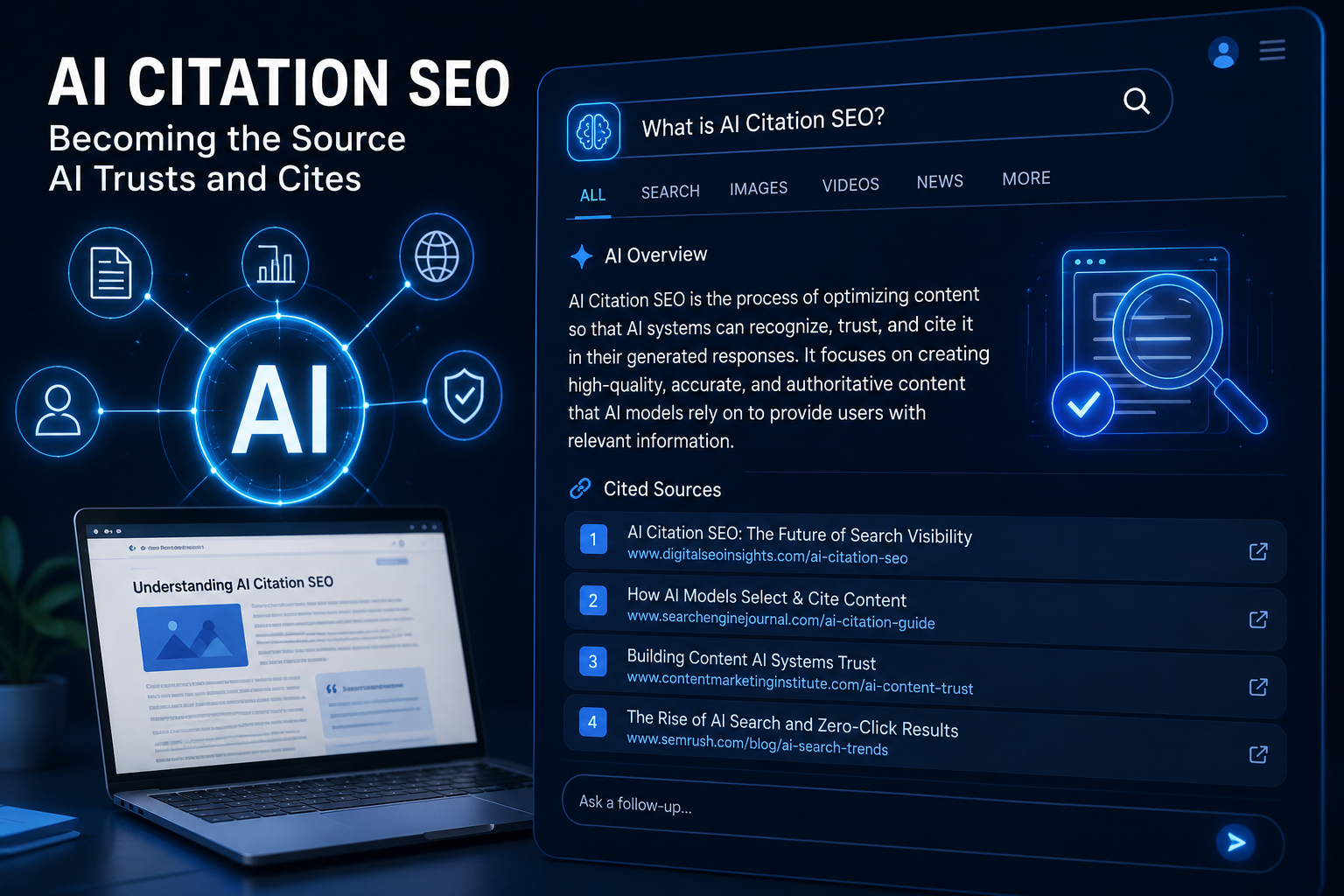
Search engines are no longer mere keyword matchers, but are now intelligent, meaning they are able to comprehend meaning, intent and relations. This is a change brought by the development of Natural language Processing and AI-based algorithms. Today, SEO is not about repeating keywords anymore, it is about creating a powerful presence of an entity.
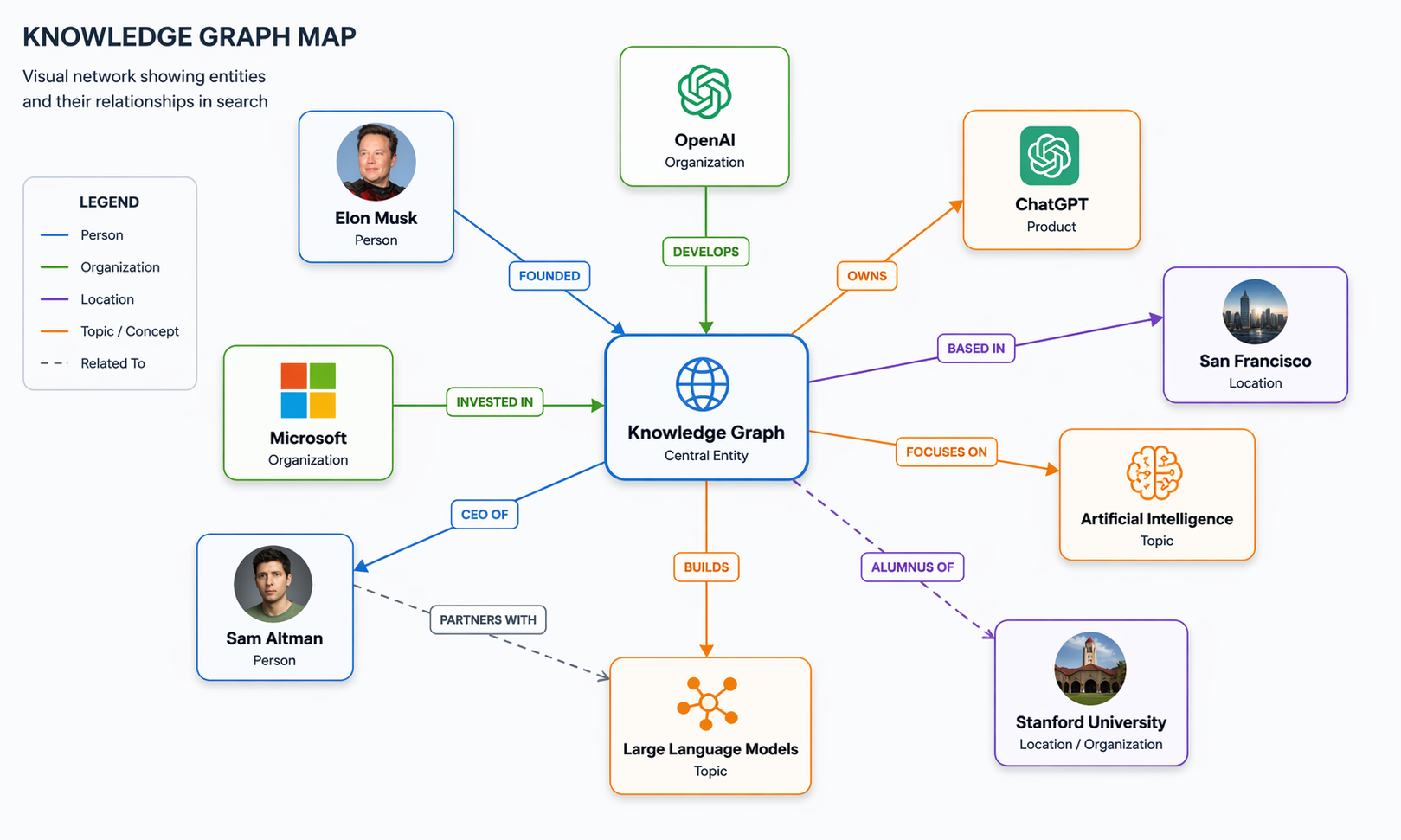
The heart of this change lies in the Google Knowledge Graph that links data among billions of objects and assists search engines to provide accurate and contextual answers.
Entity-Based SEO? What is it?
Entity-based SEO is a model which optimizes content based on well defined concepts (entities) instead of keywords. These can be brands, individuals, or places as well as abstract concepts that search engines can identify and relate.
Knowing Entities in Detail.
Things are not words but recognizable concepts that have a distinctive meaning. An example is a company name or a famous person which is known to be the same company even with spelling differences, language differences etc. This enables the search engines to consolidate information and give consistent results.
The ways Entities enhance the accuracy of search.
Search engines are used to de-conflict and de-ambiguate entities. They do not simply match the key words, but analyze the context and relationships and provide the most appropriate answers, even in the case of complex queries.
Entity Relationships and Context.
Organisations are in a system of interactions. Indicatively, a brand is related to its products, founders, and industry. The relationships enable the search engines to know the depth and relevance of content, which directly affects the rankings.
SEO Evolution: Keywords to Entities.
The transition to entity-based optimization as opposed to the old-fashioned approach of keyword-centric optimization is a radical change in search engine ranking.
The Basic Traditional Keyword SEO.
Previously SEO was based on the high density of keywords, backlinking and the exact matching of phrases. Although this worked well in the past, it usually resulted in search engine optimized content as opposed to user-friendly content.
The emergence of Semantic Search.
Search engines started to concentrate on meaning in addition to words with the updates of the algorithm such as Google Hummingbird and Google RankBrain.
The Reason Why Keywords are not Sufficed any more.
The search engines of the present day value intent, context, and relationships. The content should be able to offer holistic value and be in line with the way the users search and think.
Important Entity-Based SEO Strategies.
- Markup Structured Data:Schema markup assists search engines in understanding the entities in your content.
- Create Topical Authority: Build numerous content on an overall theme in order to build expertise.
- Optimize to Semantic Search: Semantic search employs natural language and related words, rather than repeating key words.
- Take Advantage of Internal Linking: Build on other pages that relate to the entity to strengthen the relationships.
- Develop Content That is Rich in Entities: Add established entities in a natural way to enhance credibility and relevance.
The advantages of Entity-Based SEO.
- Enhanced Visibility of Search: Greater likelihood of being displayed in rich snippets and knowledge panels.
- Improved User Experience: More precise and useful results to the users.
- Powerful Authoritative Signals: Makes your site an authority.
- Increased Richness of Content: Promotes in-depth and meaningful content development.
- Future-Proof Strategy: Goes with AI and semantic search developments.
The Use of Knowledge Graphs to drive Entity SEO.
Knowledge Graph: Role in Search.
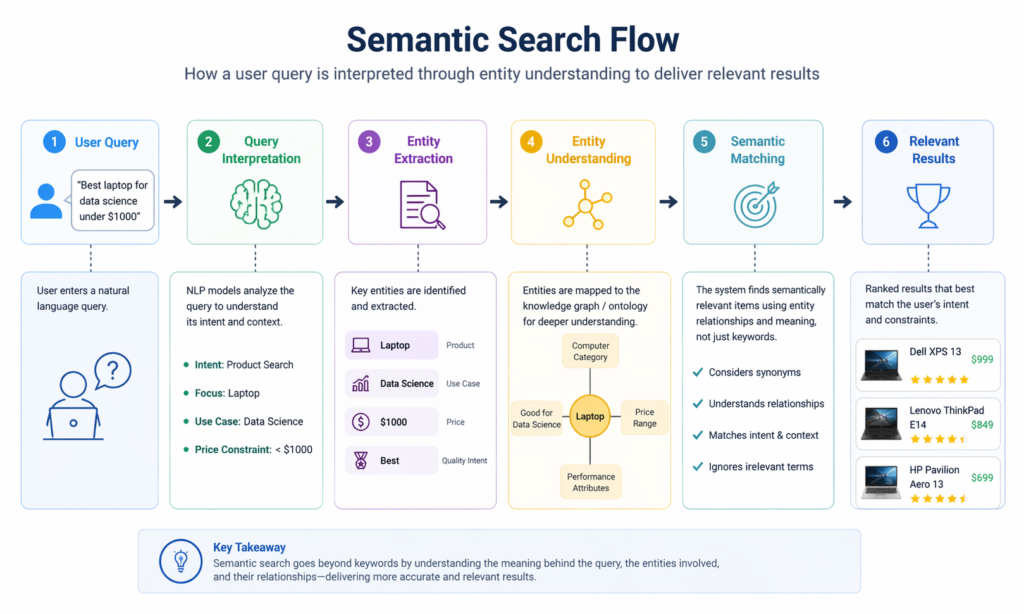
The Google Knowledge Graph is a support of entity comprehension. It links objects and gives well-organized data that improves search results.
Entity Disambiguation in Action.
As an example, when a person enters a query like Apple, the system knows how the query is relevant to a fruit or Apple Inc. depending on the context, search history, and other related entities.
Enhancing SERP Features
Knowledge graphs support functionality such as knowledge panels, featured snippets, and related questions, enhancing visibility and user-interaction.
AI and NLP in the context of Entity SEO.
Understanding Search Intent
AI models, such as BERT, examine the connection between words in a sentence and can be utilized by search engines to better understand intent.
Processing Complex Queries
Innovative systems like MUM are capable of handling various types of data and different languages, and they can analyze the search queries in a more profound way.
Ongoing Education and Change.
AI systems are constantly getting better through the analysis of user behaviour and data patterns and SEO is a developing field that must constantly adapt.
Advanced Techniques of Entity SEO.
Establishing a Powerful Brand.
With a robust brand presence, your business will always be found on the web by search engines. This includes having consistent branding, business data and a proper online presence on websites, directories and social sites.
Entity-Based Content Clustering
A type of content clustering is the key of building topical authority. The pillar pages with supporting related subtopics you develop increase the strength of semantic links and enhance your likelihood of ranking a broad range of queries.
Playing the External Entity Signal.
References in authoritative sources like news websites, industry blogs and directories will help to legitimize your entity. These signals are trust signals, which enhance your credibility to the search engines.
Entity SEO Optimization of Content.
Write To Context, Not Keywords.
Contemporary content should be based on the understanding of answering user intent in a comprehensive manner. Rather than reiteration of keywords, give more information in context that has related entities and concepts embedded in the information.
Using Semantic Variations
The use of synonyms, related phrases, and conceptually related words adds depth to the content and increases visibility in search.
Improving Readability and Structure.
Properly formatted content that includes headings and subheadings and is well constructed is easier to read and understand and is easier to be read and understood by search engines.
Conclusion
Entity-based SEO is not only a trend, but the cornerstone of modern search optimization. Refocusing on meaning, relationships, and structured meaning instead of key words, businesses can establish enduring authority in search results. With the further development of AI, entity-driven strategies will be necessary as a way of remaining competitive and visible in the online environment.
FAQs
2. What is entity based SEO?
Entity-based SEO is based on optimizing content based on well-defined concepts instead of only keywords.
2. What is the significance of entities in SEO?
They assist search engines to comprehend context enhancing relevance and accuracy in search.
3. What is the Knowledge Graph?
It links entities and relationships among them to offer meaningful and structured search results.
4. Is the use of keywords still relevant?
No, however, they must be applied in the natural sense as part of a larger scheme of semantic optimization.
5. What can I begin with entity SEO?
Pay attention to organized information, the high-quality content, and establishing a powerful topic authority.