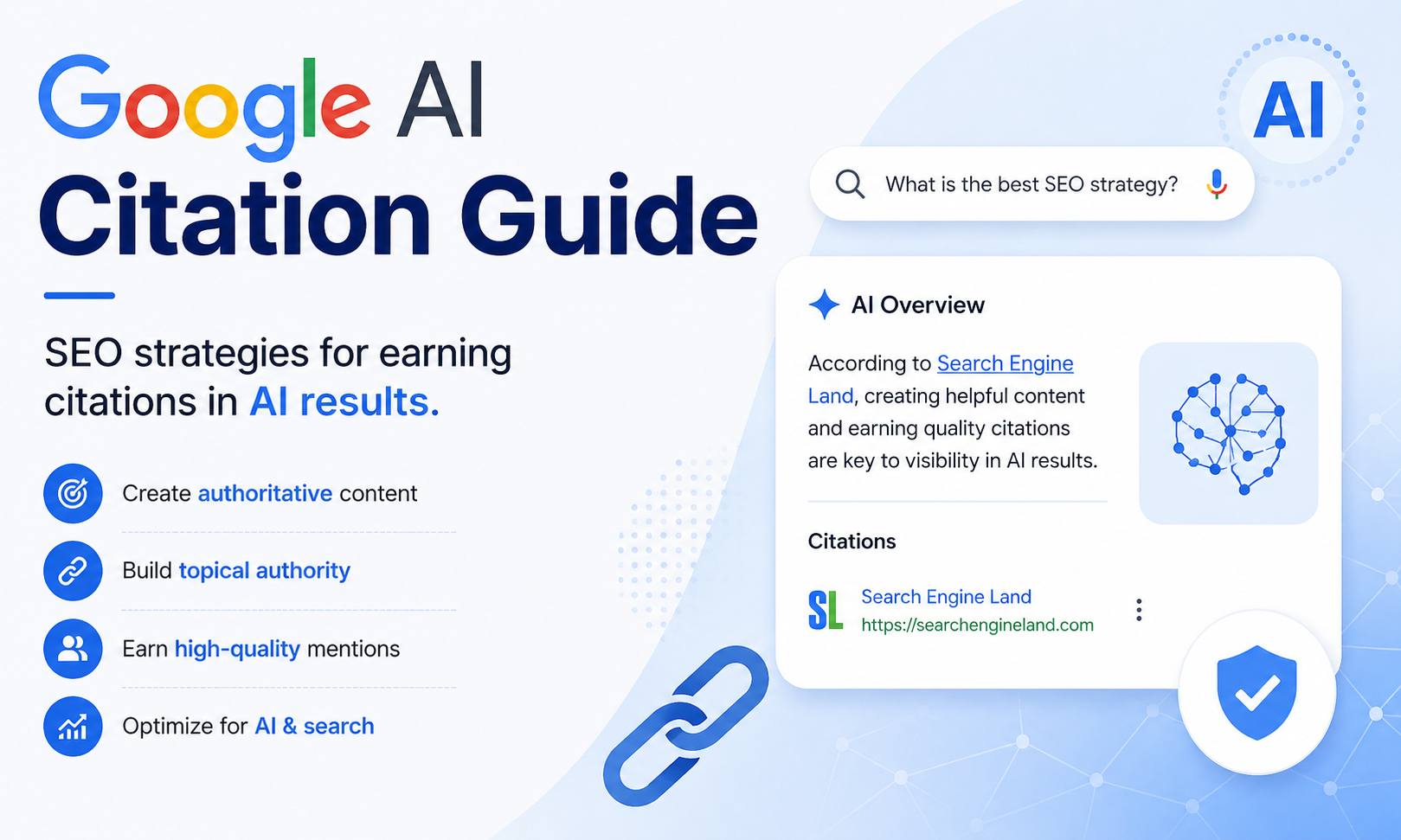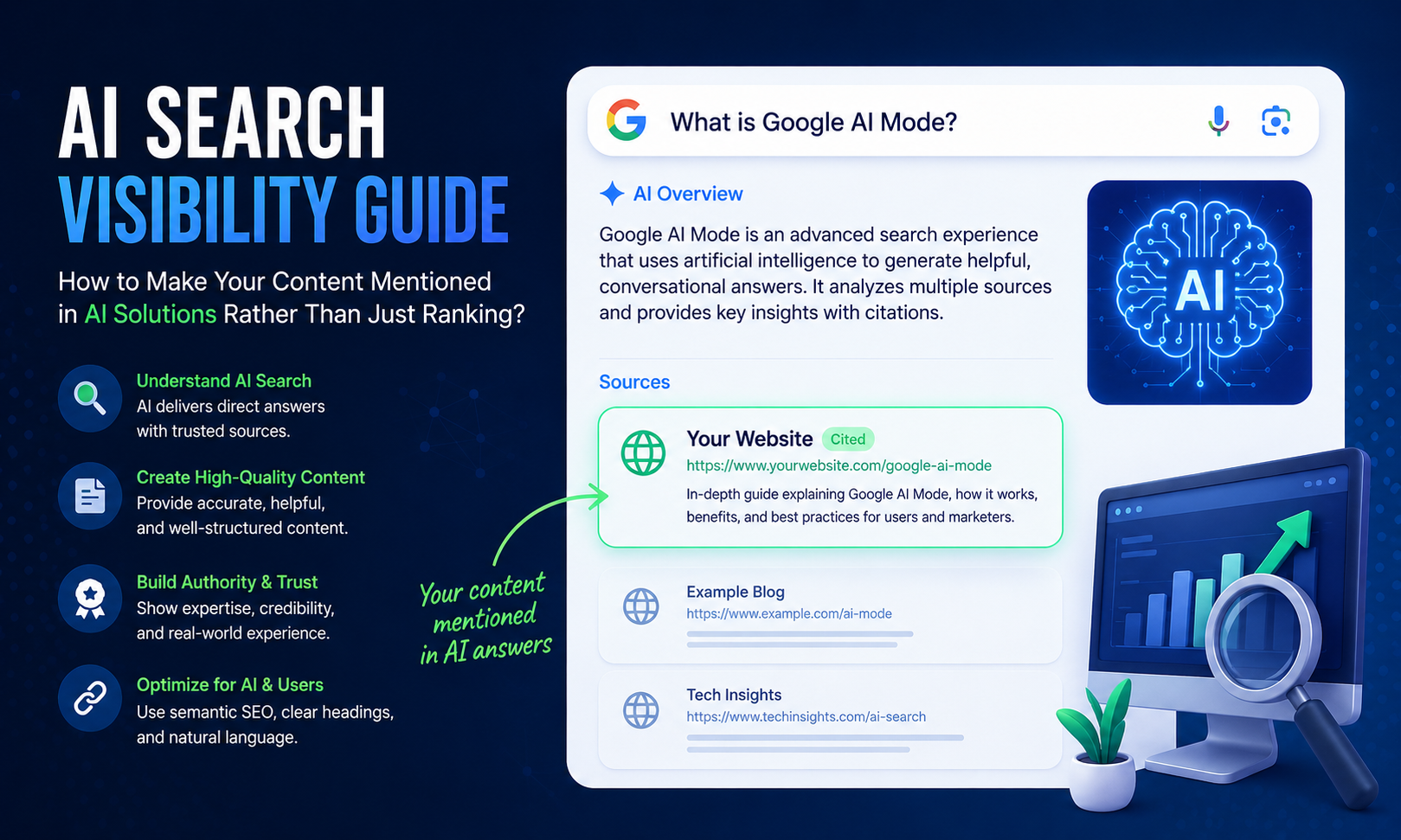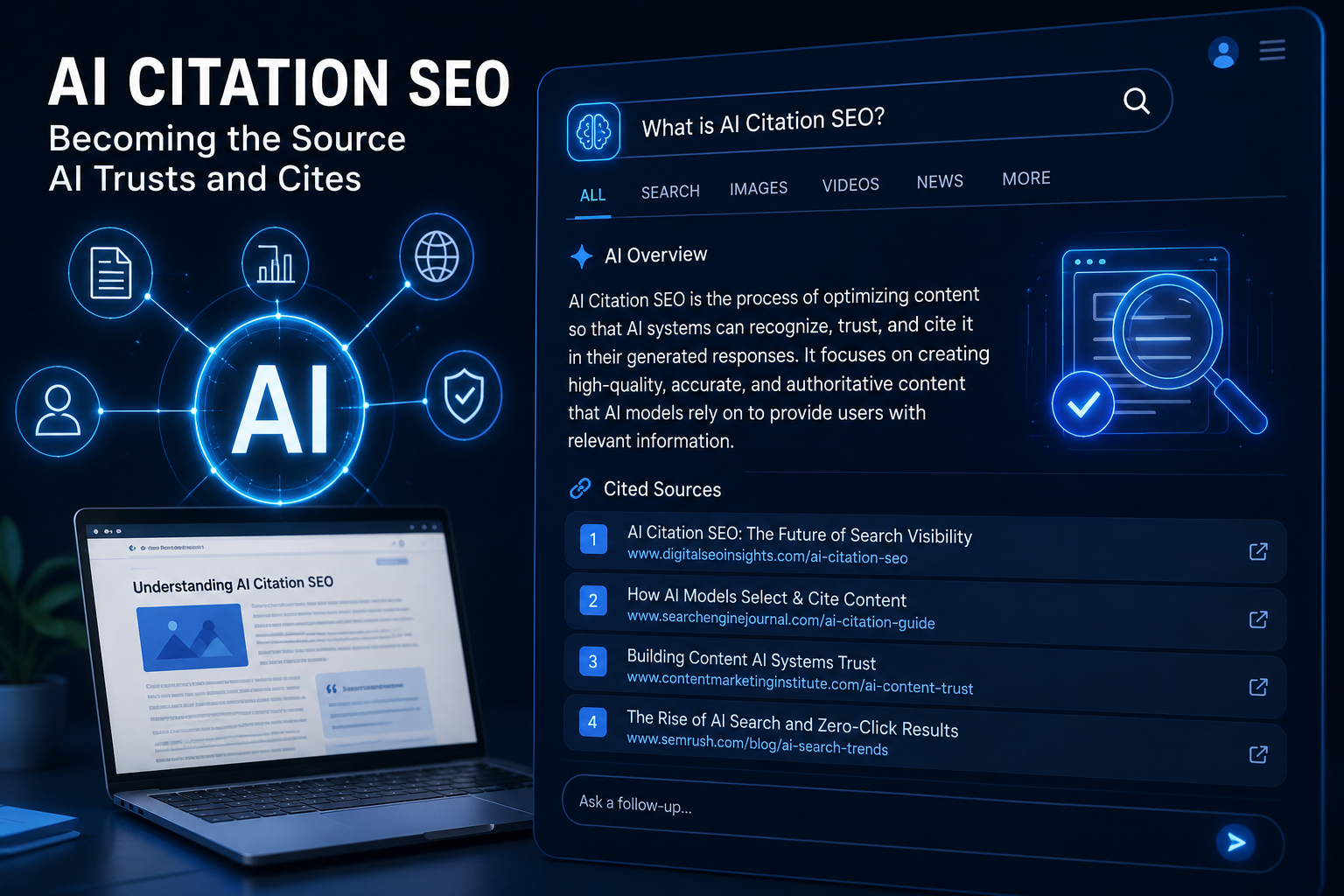

Don’t miss 2026, when a massive shift is taking place in the digital marketing industry. In today’s day and age, even with conventional SEO techniques it’s just not enough for brands to make a presence online. New search mechanisms available online because of Artificial Intelligence are altering the ways that people find information, which is resulting in the emergence of GEO, AEO, LLM SEO and Search Everywhere Optimization.
People born in the 21st century today favor AI-driven chatbots, voice assistants, social feed and all new generative search engines with instant responses rather than browsing various websites. Users’ needs and trustworthy information are prioritizing features of content, along with being conversational and a feature of search engines. Companies, which are capable of catering to these new search patterns, are starting to have an edge in digital marketing.
GEO stands for what and why its importance in 2026?
It is undoubtedly one of the latest trends of the digital marketing world these days called Generative Engine Optimization (GEO) optimization. It’s designed to enhance the content visibility within AI-powered search experiences. AI-driven search engines are creating answers based on a summary of the content on a webpage, instead of just ranking webpages.
How GEO Works
There’s a more sophisticated way in which AI models handle generating search results called generative search engines, which better grasp a topic and a user’s intent. They do not simply annually examine contents based on keywords but make analyses based on content meanings. Those sites will be more likely to show up in content summaries created by AI-powered search engines if they’re well-structured, have high-quality information, regularly publish new content, and have a solid authoritativeness score.
Key GEO Strategies
GEO was all about producing valuable and user-centric content, and that’s what successful strategies have been about. The businesses are getting smarter by structuring their articles with the help of structured headings and adding semantic relevance, FAQs, and optimizing with an entity base to optimize the visibility in the AI. Utilisation of topical authority and good informational content: Companies are investing in this as well to bolster a web presence.
Important GEO Strategies
- Develop content that resonates with the reader and is spoken, rather than written.
- Make use of logical headings and proper layout of paragraphs
- Businesses can use Make to Incorporate FAQ Sections, which help improve the understanding of the AI.
- They come up with excellent keyword building within a niche.They conduct keyword building within a niche very well!
- Use entities, semantic SEO to optimise content.
AEO Is Becoming Critical for AI Search Results
AEO, also referred to as Answer Engine Optimization, is a focus of the search engine and AI driving assistant on directly providing answers to users’ queries. With their growing use, voice assistants, and AI-powered search methods are increasingly significant in digital marketing, making AEO a crucial trend for 2026.
Now users are able to search with a full question as opposed to a short ‘keyword’! For search engines, writing content that quickly, accurately and is well-structured to provide answers is important. Optimising for SEO can boost businesses in terms of better visibility in voice searches, featured snippets and AI-driven answers.
Why AEO Matters
The reason why SEO is important is because search behaviour is changing quickly. Smart assistants, mobile devices and AI chatbots should provide instant answers and/or solutions. Websites that have information that’s short and straight to the point, being more likely to be found in featured search results.
Companies that specialize in AEO tend to see higher times on the SERPs, more engagement from their users and Trust signals boosted. The search systems available with AI algorithms will incentivize for speedy and clear search results addressing the problem of content consumption.
Best Practices for AEO
Incorporating question-based content, and structuring their answers in the right way, have become a focus for businesses to enhance their SEO strategies. Structured information allows AI systems to better retrieve correct answers to the questions. In conversational search, certain elements such as clear paragraphs, FAQ and schema markup are aiding websites in their performance.
Best SEO Practices
- Be concise and to the point in your reply/dissertation to questions asked by users
- Provide FAQ: Include with natural language
- Optimize the site’s performance and mobile usability.Ensure site performance and mobile usability.
- Use structured schema to mark-up websites.
- Organize in short sentences/paragraphs that are concise and informative.
LLM SEO Is Changing Content Optimization Strategies

LLM SEO: When content is optimized for Large Language Models (LLM) which are used in AI-powered chatbots and search engines. As opposed to relying solely on keywords, these systems know about the content in its contextual manner.
With the help of large language models, relationships between topics, entities and concepts can be analyzed. Therefore, companies are increasingly turning to semantics, topics and meaningful content structures, and formulating them into their website’s strategy. With this new – AI-powered search environment, LLM SEO is enhancing the visibility of brands.
There are a number of key factors involved with LLM SEO.
Modern artificial intelligence systems have more detailed methods for assessing content quality, content relevance, and content authority, as compared to traditional search engines. Now, brands are producing copies that exhibit knowledge and definitely give comprehensive information regarding topics. For AI to be discoverable naturally, formatting, and entity optimization are becoming increasingly crucial.
Companies are enhancing their presence in the conversational AI environments and generative search engines, all thanks to the robust LLM SEO approach.Thanks to the robust LLM SEO approach, businesses are enhancing their presence in the conversational AI environments and generative search engines.
This applies to SEO with the entity.This is for entity-related SEO.
Entity-based SEO assists AI systems comprehend the connections amongst business names, people, goods, locations, and also sectors. Nowadays the search engines are mainly using entities as a way to organise and accurately interpret information.
The enhancement of strong entity optimizations boosts contextually enriched knowledge and maximizes the likelihood of achieving occurrences in search results delivered by AI. Those that are reliant on offline brand signals such as established partnerships, presence in the media, and web ads will fail.If the brand has an entity’s presence in the web but its offline presence is limited it will be less successful.
Search Everywhere Optimization Is the Future of Visibility
The search behaviour is on the way out of the old styles of search engines. YouTube, Tiktok, LinkedIn, Instagram, Reddit, AI assistants, voice search will be the platforms that users will find content on these days. Search Everywhere Optimization is specifically geared towards gaining visibility at every digital place that people are searching for info.
Conclusion
AI technology is influencing digital marketing: how does it play a role in the future of digital marketing? Whether the slow market or the web’s overwhelming mass of information means that consumers are no longer searching Google for specific products is likely debatable, but GEO optimization, AEO optimization, LLM SEO and Search Everywhere Optimization are no longer business strategies to consider – they’re the kind you have to follow in order to have a chance to be found over the long term. Search engines are becoming great answer engines where intent, context and quality are becoming more and more important.
Frequently Asked Questions
Q1: What does GEO stand for in digital marketing?
Generative Engine Optimization (GEO) is the term used to describe the below strategy. It is centred on the optimization of information for artificial intelligence infرانetworks that are powered by search engines that will give the user answers as opposed to links.
Q2: What is the difference between traditional AEO and SEO?
Whereas traditional SEO primarily concentrates on the ranking of a website in search results, AEO aims to optimise the ranking of a website to return immediate results to the user, distinguishing itself from SEO content.AEO is more than just about results; it’s also about quality. AEO works to place a website in search results to return immediate results for the user, while also improving rankings for the website; whereas SEO is more traditionally about improving website rankings.
Q3: What is LLM SEO?
The optimization of content according to LLM SEO aims to boost visibility in AI responses.LLM SEO involves optimizing content for Large Language Models, such as those in AI-powered chatbots and generative search engines, to increase its visibility in AI-generated responses.
Q4: Why is Search Everywhere Optimization important?
The users are looking for info on social media, AI assistants, video websites and search engines. Search Everywhere Optimization can aid brands remain noticeable on all of this platforms.
Q5: Is traditional SEO going to become extinct in the future?
While traditional SEO will continue to play a vital role, enterprises do need to leverage both GEO, AEO and LLM SEO to become successful in the current AI-centric search landscape.