The online search market is experiencing a significant change. The emergence of AI-based applications and chat-based search engines has removed the possibilities of searching links and being redirected to various sites to get information. Rather, they are getting direct and summarized responses that are produced through artificial intelligence. This has ushered in a new term which is called Generative Engine Optimization (GEO) – a method meant to assist content to be ranked in an AI generated response and not just the old-fashioned search engine result pages.
GEO is rapidly taking center stage as a necessity among businesses, bloggers as well as marketers who wish to remain visible in this dynamic ecosystem. With the trend of AI still defining further the consumption of information, GEO can be a very powerful competitive edge to understand and implement.
What is Generative Engine Optimization (GEO)?
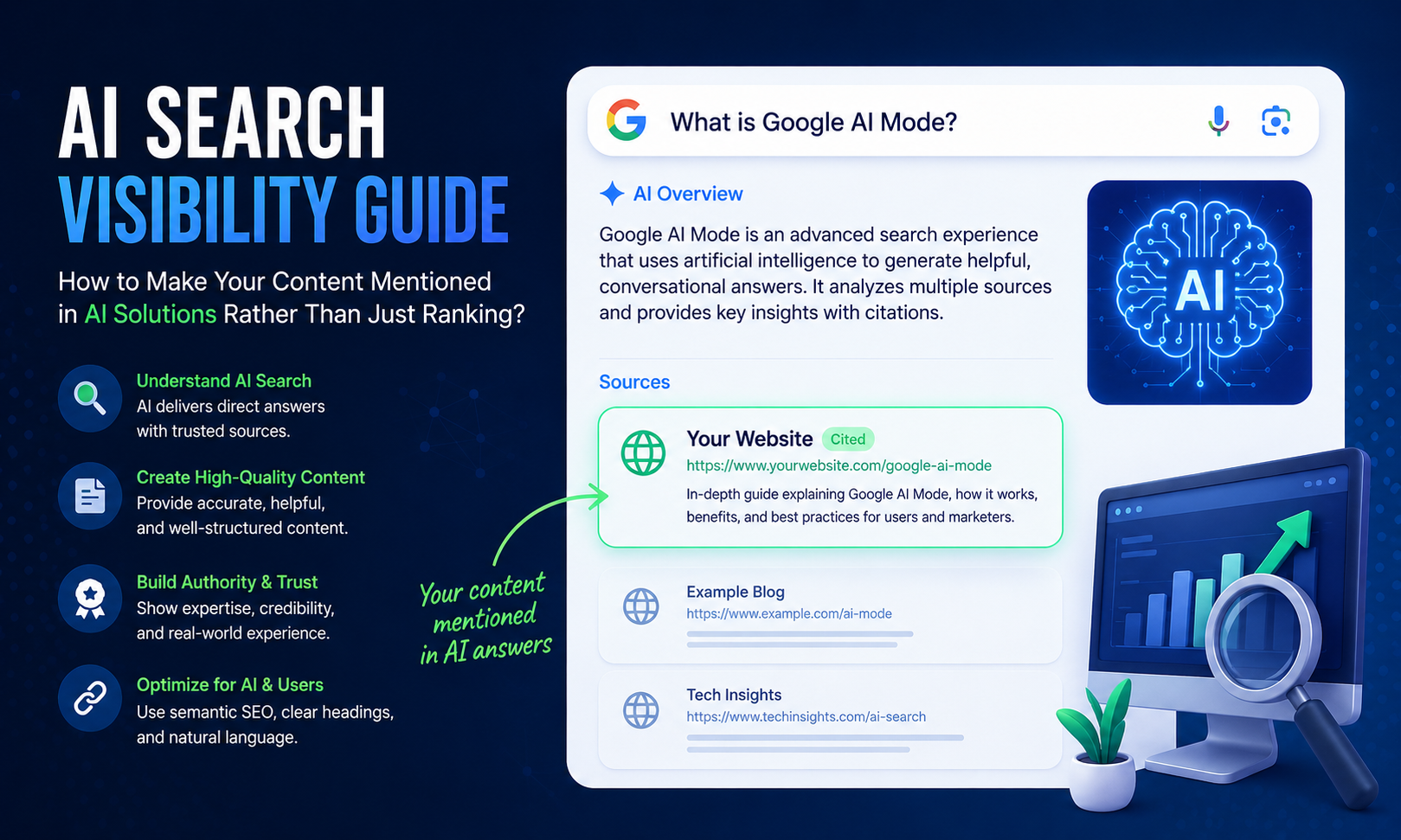
Generative Engine Optimization (GEO) can be described as an approach to organising and optimizing content in a way that allows AI systems to understand, extract and incorporate it into their generated responses with ease. In comparison with conventional SEO where the emphasis is placed on ranking web pages, GEO is aimed at making your content useful in answers generated by the AI.
Artificial intelligence models absorb and analyze information provided by various sources to provide useful answers that are accurate. In case your material is well-written, clearly organized, and informative, it will be more likely to be chosen and used in these answers. GEO does not focus on deceiving algorithms, it is about ensuring that your content is in line with the way that AI thinks and presents information.
The Importance of GEO in the current AI-dominated World.
There have been changes in the interaction of users with the search engines. Individuals have become demanding in terms of fast, precise, and conversational. AI tools satisfy this expectation since they offer immediate answers that eliminate the need to make a number of clicks.
The change implies that the conventional methods of SEO are no longer effective. Although your content may be ranked high on search engines, it might not be visible in case it is not optimized to accommodate AI systems. GEO makes sure that your content is discovered in AI generated outputs.
Also, AI focuses on quality and credible information. This gives content creators a chance to work on content that is more in-depth, clear and accurate as opposed to key word optimization.
The way AI comes up with solutions.
Data Analysis and Data Collection.
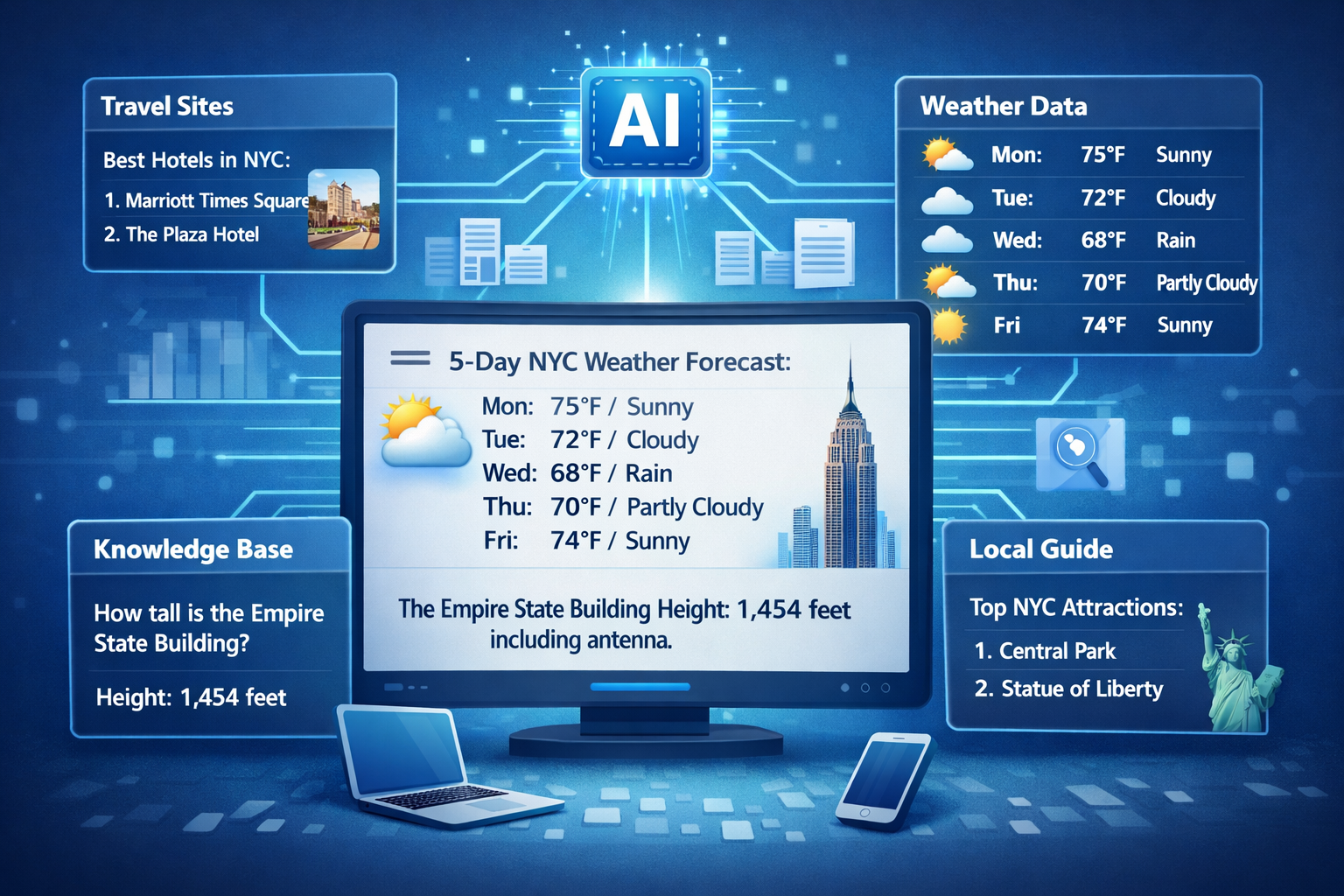
AI systems are used to scan the content of the web in large volumes to find relevant information. They examine patterns, keywords and contextual relationships in order to comprehend subjects.
The Knowledge of User Intent.
In contrast to the classic search engines, AI is more user-intent oriented as opposed to the exact matching of the key words. It identifies the exact information that the user is seeking and picks the most useful information.
Response Generation
Upon analysis of the data, AI comes up with a succinct and human response. Structured and easily-understandable material has higher chances of being incorporated in this process.
The most important tips to be ranked in AI answers.
1. Develop Systematic and systemic Content.
Divide your content using clear headings e.g. H1, H2 and H3. Divide information into a smaller part and short paragraphs. This facilitates the AIs in detecting important points.
2. Give Direct Responses to Interrogations.
Begin with direct and succinct answers. then make it enlarged with clarification. This form fits the AI system response creation process well.
3. Pay attention to Topical Authority and Depth.
Rather than superficial writing, in depth writing. Produce numerous contents on one topic so as to gain authority and trust.
4. Natural and Conversational Language.
Write in a human and understandable manner. Keywords should not be stuffed and rather meaningful content should be delivered.
5. Maximise Semantic Relevance.
Add similar keywords, synonyms and contextual phrases. This assists AI to have the bigger picture of what you are talking about.
6. Make sure of Accuracy and Credibility.
Always give the correct and up to date information. AI systems will use credible sources in giving answers.
GEO vs. Traditional SEO.
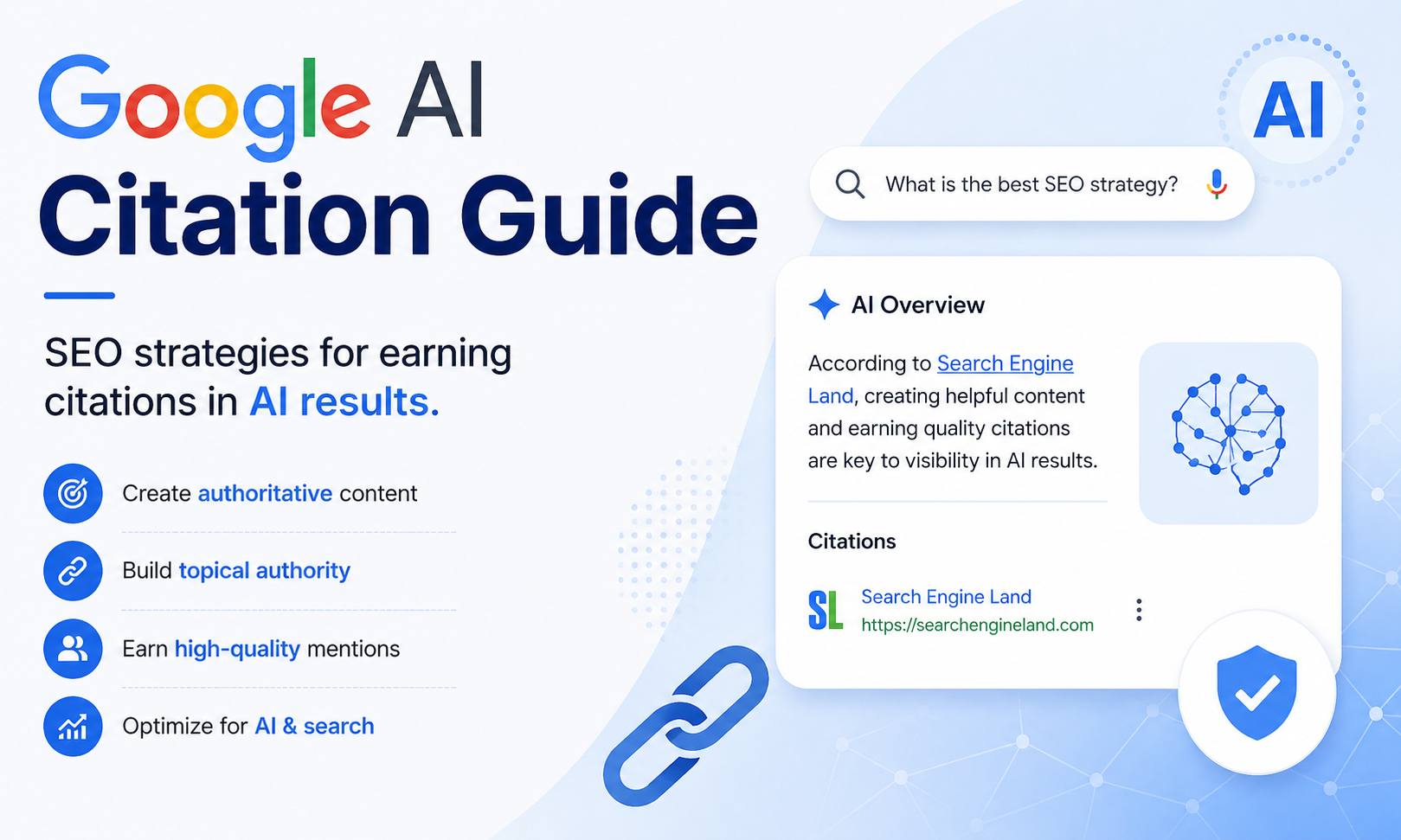
The conventional SEO involves the enhancement of ranking via backlinks, keywords as well as technical optimization. GEO on the other hand is concerned with the way AI systems interpret and use content.
Whereas SEO makes your content to be shown on the search results, GEO makes your content to be included in the answer. These two strategies are significant and may be utilized as one in order to be seen most.
Examples of the most frequent errors.
Neglecting Content Organisation.
Unformatted information complicates the task of AI to make use of information.
Writing: Keyword Only.
By being narrowly targeted on keywords, it will decrease the quality and readability of the content.
Failure to do so based on User Intent.
The content should be in line with what users are searching.
Publication of Low Quality Content.
AI systems do not have a high chance of picking thin or poorly written content.
Generative Engine Optimization Future.

GEO will be likely to become one of the key aspects of digital marketing in the next number of years. With the further development of AI, the role of structured content, high quality, and contextual relevance is going to increase.
Voice search and artificial intelligence are also going to enhance the demand for direct answers. Companies which also embrace GEO at an early stage will be in a better position to achieve in this new environment.
Search is not only about ranking in the future but also being the answer.
Conclusion
The creation and consumption of content is changing with Generative Engine Optimization. With clarity, structure and the intent of the user in mind, you can enhance your likelihood of making it into AI-generated responses.
The trick is to make something valuable to the users and easy to comprehend by the AI. With the ever-changing digital world, implementing the GEO strategies will keep you on top and in a high profile.
FAQs
1. Learn what is Generative Engine Optimization.
It is actually the act of streamlining the content to fit in the AI-driven responses rather than merely the search engine results.
2. What is the difference between GEO and SEO?
SEO is about ranking the pages whereas GEO is being placed in AI-generated answers.
3. What can I do about my GEO strategy?
Be clear in use of structured material, questions, and be precise in information.
4. Does GEO need technical expertise?
Not necessarily. It is more concerned with the quality of content, structure and clarity.
5. What is the significance of GEO to the future?
Since AI-based search is increasing at a fast rate, GEO will keep your content in the limelight.